Insurance premiums and utility bills add up to Rs 1-3 lakh annually for most households. That's significant spending. And most credit cards give you nothing on it.
But strategies exist to earn 10-15% back on these "excluded" categories. The key: knowing which cards actually earn and how to work around exclusions.
Why These Categories Are Excluded
Banks lose money on utility and insurance transactions.
The Economics:
- Insurance companies pay 0.5-1% merchant fees (RBI capped)
- Utility providers pay similar low fees
- Cards offering 2-3% back would operate at a loss
The Result: Nearly every premium card excludes:
- Life insurance premiums
- Health insurance premiums
- Electricity bills
- Water bills
- Gas bills
- Telecom recharges
HDFC Infinia, Axis Magnus, SBI Elite—all exclude these categories. Your biggest recurring expenses earn zero points.
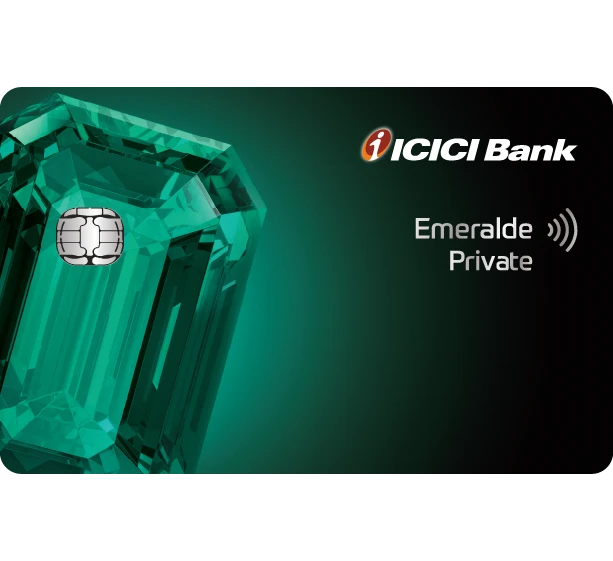
ICICI Emeralde Private Metal: The Exception
ICICI EPM is unique. It earns 4 reward points per Rs 100 on insurance and utilities.
What's Included:
- Life insurance premiums
- Health insurance premiums
- Motor insurance premiums
- Electricity bills
- Gas connections
- DTH recharges
The Math:
- Annual insurance premiums: Rs 1,50,000
- Annual utilities: Rs 60,000
- Total: Rs 2,10,000
- Points earned: 8,400
- Redemption value (at Rs 0.75/point): Rs 6,300
- Effective return: 3%
Card Details:
- Annual fee: Rs 12,000
- Income requirement: Rs 1.8 lakh net monthly
- Welcome bonus: Varies by offer
Verdict: Only premium card that consistently earns on insurance and utilities. Worth the fee if you have significant spending in these categories.
The iShop Voucher Method for Insurance
For cards that exclude insurance, the voucher method works.
How It Works:
- Buy Amazon/Flipkart vouchers on iShop at discount (10-20% off)
- Convert vouchers to cash via balance transfer to bank
- Pay insurance from bank account
- Capture the discount as "savings"
The Math:
- Insurance premium: Rs 50,000
- Buy Amazon vouchers at 15% off: Rs 42,500 cost
- Transfer to bank: Rs 50,000 value (minus small fee)
- Net savings: Rs 7,000-7,500 (14-15%)
Process Details:
- Wait for iShop sale (Republic Day, Diwali)
- Buy Amazon Pay gift cards at discount
- Add to Amazon Pay wallet
- Transfer to linked bank account
- Pay insurance from bank
Fees and Limits:
- Amazon Pay to bank: Check current transfer fees
- Monthly limits may apply
- Process takes 2-3 days
Direct Insurance Portal Strategies
Some insurance company portals code transactions differently.
Testing Method:
- Pay small amount (Rs 1,000 renewal) with your card
- Wait for statement
- Check if points credited
- Scale up if successful
Cards to Test:
- HDFC cards on LIC portal
- ICICI cards on various insurers
- Axis cards on direct insurer websites
What We've Found:
- Direct insurer portals sometimes code as "services" not "insurance"
- Third-party aggregators (Policybazaar, etc.) usually code as insurance (excluded)
- Results vary by card and portal combination
Document working combinations. They may change but often remain stable for 1-2 years.
Utility Bill Strategies
Utilities face similar exclusions but have more workarounds.
CRED Bill Pay:
- Most cards excluded from rewards on CRED
- But CRED offers coins/cashback (weak value)
- Net: Usually not worth the effort
Amazon Pay Bills:
- Some cards earn when loading Amazon Pay
- Pay utilities from Amazon Pay balance
- Works if your card earns on wallet loads
PayTM/PhonePe:
- Similar wallet loading strategy
- Earn points on wallet load
- Pay bills from wallet
The Math:
- Monthly utilities: Rs 10,000
- Load wallet with HDFC Infinia: Excluded (HDFC excludes most wallets)
- Load wallet with other cards: 1-2% if included
- Annual value: Rs 1,200-2,400
Less impactful than insurance but still free money.
The Comprehensive Stack
Maximum returns require combining methods.
For Insurance (Rs 1,50,000 annual):
Option A: ICICI EPM Direct
- Pay directly with EPM
- Earn 3%: Rs 4,500
Option B: iShop Voucher Method
- Buy vouchers at 15% discount
- Capture Rs 22,500 in savings
- Plus card rewards on voucher purchase (2-5%): Rs 3,000-7,500
- Total: Rs 25,500-30,000
Winner: iShop method delivers 5-6X more value than direct card payment. But requires effort and timing.
For Utilities (Rs 60,000 annual):
Option A: ICICI EPM Direct
- Earn 3%: Rs 1,800
Option B: Wallet Loading Method
- Load wallets at 2% earn rate
- Pay bills from wallet
- Earn: Rs 1,200
Option C: iShop Voucher for High Bills
- Only worth it for large one-time bills (Rs 10,000+)
- Not practical for monthly Rs 3,000 electricity
Winner: EPM direct payment for ongoing utilities. Simpler and similar return to alternatives.
Calculating If Methods Are Worth It
Time is money. Let's calculate when each method makes sense.
iShop Voucher Method:
- Time required: 1-2 hours per transaction
- Minimum to justify: Rs 25,000+ transaction
- At Rs 25,000 with 15% discount: Rs 3,750 saved
- Hourly value: Rs 1,875-3,750/hour
- Verdict: Worth it for annual insurance premiums
EPM Direct Payment:
- Time required: 5 minutes
- Any transaction size works
- At Rs 5,000 utility bill: Rs 150 earned
- Verdict: Always worth it (no extra effort)
Wallet Loading Method:
- Time required: 10 minutes per bill
- At Rs 5,000 bill with 2% earn: Rs 100
- Hourly value: Rs 600
- Verdict: Only if you're already loading wallets
Month-by-Month Strategy
Here's how to optimize throughout the year.
January (Republic Day Sales):
- Stock up on iShop vouchers for upcoming insurance renewals
- Buy at 15-20% discount
- Store vouchers for Feb-March renewal season
March (Year-End):
- Many insurance policies renew in March
- Use January-purchased vouchers
- Combine with EPM if direct payment needed
July-August (Insurance Mid-Year):
- Some policies renew mid-year
- Monitor for Independence Day iShop sales
- Otherwise use EPM direct
October-November (Diwali Sales):
- Best iShop discounts of the year (20-25%)
- Buy vouchers for next year's premiums
- Stock up for large purchases
Monthly (Utilities):
- Set up EPM as default payment for all utilities
- Automatic 3% earn on every bill
- No active management needed
Insurance Premium Financing Consideration
Some insurers offer premium financing. Compare with credit card strategy.
Insurer EMI:
- 0% interest often available
- But paid via bank (no card rewards)
- Net value: 0%
Credit Card EMI:
- Interest may apply (12-18% annually)
- But earns card rewards (3% on EPM)
- Net: Negative if interest exceeds rewards
Full Payment with Card:
- No interest
- Earns 3% rewards
- Net: +3%
Full Payment with iShop Method:
- No interest
- Saves 15-20%
- Net: +15-20%
Verdict: Pay in full using voucher method or card rewards. Avoid EMI unless cash flow critical.
Which Cards for Which Category
Insurance:
- iShop voucher method (15-20% savings)
- ICICI EPM direct (3% return)
- Test other cards on direct portals
Electricity:
- ICICI EPM (3%)
- Wallet loading with earning cards (1-2%)
- Any card that earns on your provider's portal
Telecom:
- ICICI EPM (3%)
- Amazon/Flipkart vouchers at discount for annual plans
- Wallet loading methods
Gas/LPG:
- ICICI EPM if online payment available (3%)
- PayTM/Cred for small cashback
- Most cards excluded
The EPM Break-Even Analysis
Is ICICI EPM worth the Rs 12,000 annual fee for insurance/utilities?
Your Annual Spending:
- Insurance: Rs 1,50,000
- Utilities: Rs 60,000
- Total: Rs 2,10,000
EPM Return (3%): Rs 6,300
Other EPM Benefits:
- Lounge access: Rs 4,000-6,000 value
- Golf: Rs 2,000-4,000 value
- Concierge: Convenience value
- Other category earning
Total Value vs Fee:
- Benefits: Rs 12,000+ easily
- Fee: Rs 12,000
- Verdict: Breaks even on excluded categories alone
If you spend Rs 3+ lakh annually on insurance/utilities, EPM pays for itself before counting other benefits.
The Honest Limitations
iShop Method:
- Requires active management
- Sales don't happen monthly
- Must plan purchases ahead
- Some execution risk (voucher expiry, transfer fees)
EPM:
- Only 3% return (lower than other category optimization)
- Requires ICICI relationship
- Annual fee commitment
General:
- Insurance and utilities will never earn 10X like SmartBuy travel
- Accept lower returns on these categories
- Focus energy on higher-earning categories first
FAQs
Which credit card earns points on insurance premiums? ICICI Emeralde Private Metal (EPM) earns 4 points per Rs 100 on insurance, approximately 3% return. Most other cards including HDFC Infinia, Axis Magnus, and SBI Elite explicitly exclude insurance from rewards earning.
How does the iShop voucher method work for insurance? Buy Amazon/Flipkart vouchers on iShop during sales at 15-20% discount. Transfer voucher balance to your bank account. Pay insurance from bank. You capture the discount without needing the card to earn on insurance directly.
Does HDFC Infinia earn on electricity bills? No. HDFC excludes utility payments including electricity, water, gas, and telecom from reward points. You can pay with Infinia but earn zero points. Use ICICI EPM or wallet loading methods instead.
Is the voucher method practical for monthly utility bills? Not really. The effort to buy vouchers, transfer to bank, and pay bills isn't worth it for Rs 3,000-5,000 monthly bills. Reserve the voucher method for large annual payments (insurance) and use EPM for regular utilities.
What's the realistic maximum return on insurance and utilities? Using iShop vouchers at 20% discount plus card rewards on voucher purchase (5%), you can achieve 25% return on insurance. For utilities, 3-5% is realistic using EPM or wallet methods. Combined household savings of Rs 30,000-50,000 annually is achievable.